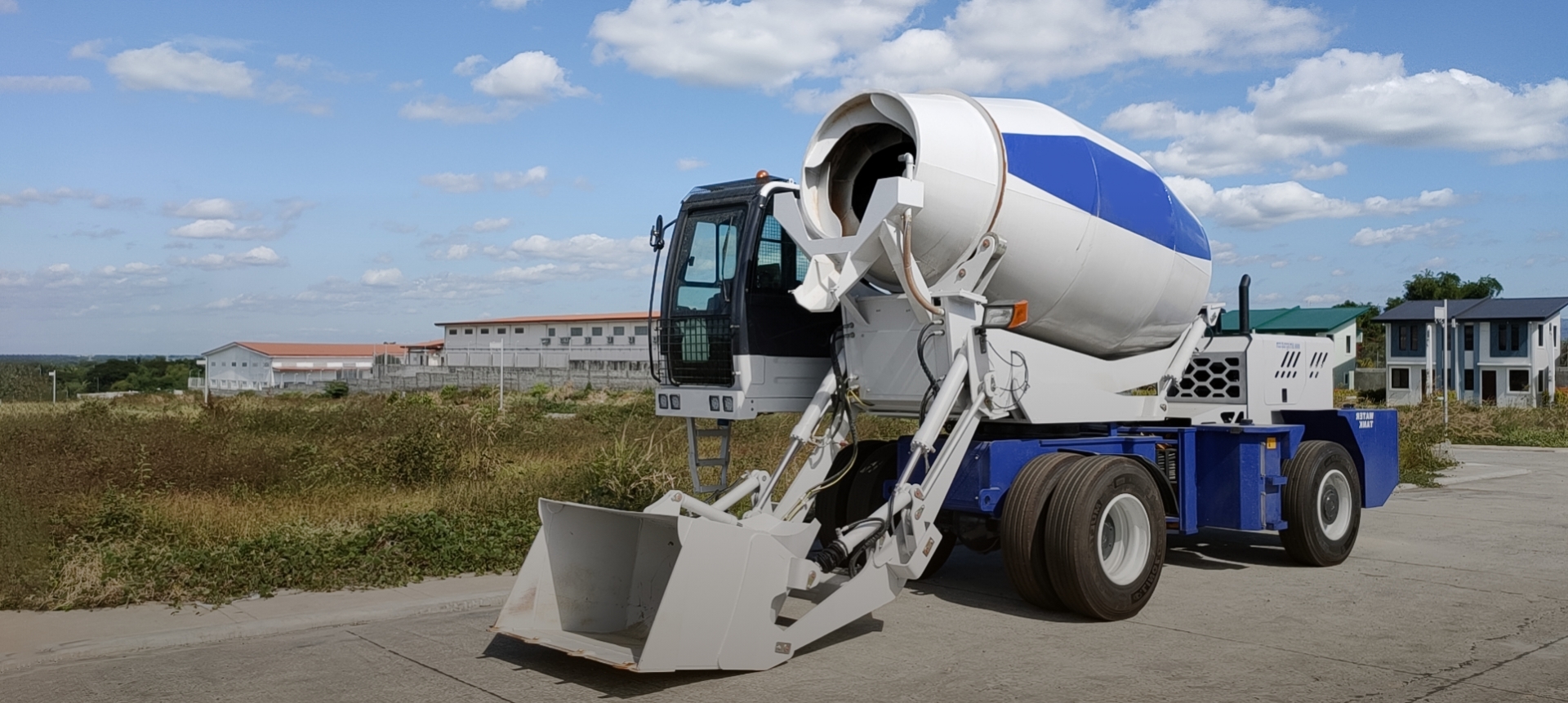
Remote construction sites often lack power, roads, and ready-mix plants. Picking the right mixer keeps work moving. Different kinds of concrete mixer suit different site challenges. In this blog, we explain how to choose between them for remote work. We link to self load concrete mixer, mobile cement mixer, concrete mixers portable, and diesel concrete mixer. This helps you match machine to location and need.
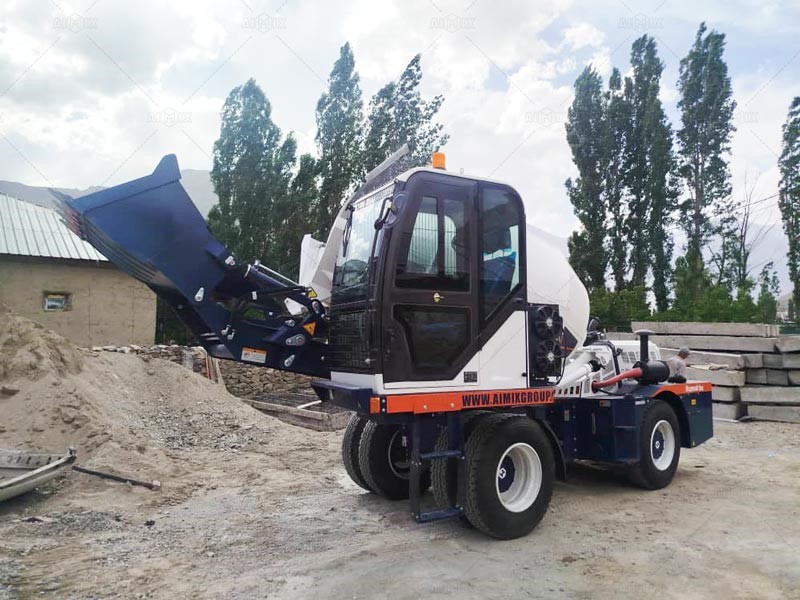
Why Mixer Choice Matters in Remote Areas
Remote sites have limited access to materials and services. You may not get ready-mix concrete delivered. Power supply can be weak or absent. Transporting mixed concrete over rough ground is hard.
So, the mixer must be self-sufficient and tough. It should mix on-site, use local materials, and move with the work. Wrong choice means delays, extra cost, and waste.
Right mixer selection solves many remote site problems.
Know the Main Kinds of Mixer for Remote Use
Four common types work in remote areas. First is the self load concrete mixer. It loads aggregates, mixes, and discharges by itself. Second is the mobile cement mixer, built on wheels or a trailer for easy moving.
Third is concrete mixers portable, small and light enough for tight spots. Fourth is the diesel concrete mixer, which runs without needing electricity. Each type has strengths for different site conditions.
Understanding them helps you compare options clearly.
Self Load Concrete Mixer: All-in-One for Independence
A self load concrete mixer does three jobs in one machine. It scoops sand and stone, adds cement and water, then mixes. It also discharges concrete where you need it.
This cuts the need for loaders, extra workers, and delivery trucks. It works well where materials are stockpiled nearby. For large remote pours, it saves time and labor.
Its size and capacity let you cover more area without extra equipment.
Mobile Cement Mixer: Flexible Movement on Rough Ground
A mobile cement mixer is built for transport between spots. It can be towed or driven to different zones on site. You mix as you go, so concrete stays fresh.
This suits projects with scattered pours, like fence lines or small foundations. It handles uneven ground better than fixed mixers. Fuel choice matters here, and many models use diesel concrete mixer engines for off-grid power.
Mobility means less carrying of mixed concrete by hand.
Concrete Mixers Portable: Light and Easy for Tight Spots
Concrete mixers portable are smaller units, often electric or petrol. They fit through gates, doors, or narrow paths. You can use them inside buildings or in backyard sites.
They are best for small remote jobs, like repairs or single slabs. Their low weight makes transport by trailer or pickup easy. Running cost is modest, but capacity is limited.
Portable mixers give access where larger machines cannot go.
Diesel Concrete Mixer: Reliable Power Without Electricity
A diesel concrete mixer runs on its own engine. It needs no mains power, so it works far from towns. Diesel gives strong torque for mixing heavy batches.
It suits long shifts and tough terrain. Many self load concrete mixer and mobile cement mixer models use diesel engines. This boosts uptime in places with no power grid.
Diesel engines also cope better with dust and heat common on remote sites.
Compare Capacity and Output for Your Project Size
Remote jobs vary in scale. Small repairs need a concrete mixers portable with 100–200L capacity. Medium jobs, like farm buildings, may need a mobile cement mixer of 300–500L.
Large remote pours, such as piling caps or culverts, call for a self load concrete mixer of 1,000L or more. Match capacity to daily volume so you avoid overworking the machine.
Right size prevents idle time and wasted fuel.
Check Material Storage and Water Supply Needs
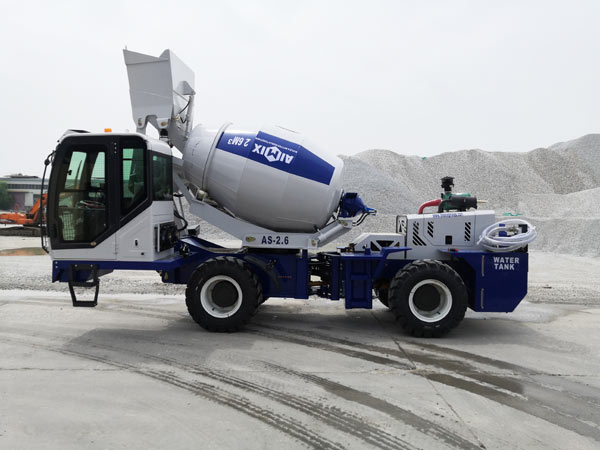
Remote sites may lack clean water and stockpiled aggregates. A self load concrete mixer often carries water and stores material nearby. This cuts trips for fetching supplies.
Mobile cement mixer models may need separate water tanks. Portable mixers rely on you bringing water each time. Plan storage to avoid delays in mixing.
Easy access to materials keeps the mixer working nonstop.
Evaluate Terrain and Transport Links
Rough, muddy, or sloping ground affects which mixer moves easily. Mobile cement mixer with good traction handles dirt roads better. Concrete mixers portable may need flat ground to operate safely.
If you must move the machine often, choose lighter, towable units. For fixed positions, larger diesel concrete mixer models stay put and mix more.
Terrain knowledge prevents getting stuck or damaging equipment.
Balance Labor Saving Against Cost
A self load concrete mixer cuts labor by doing more tasks alone. But its price is higher than simple mixers. Concrete mixers portable are cheaper but need more manual work.
Think about crew size and skill level. Fewer workers may justify the cost of a self loader. For occasional small jobs, a portable mixer saves money upfront.
Balance investment against hours of labor saved.
Maintenance and Spare Parts in Remote Areas
Repair shops may be far away. Choose a mixer with simple mechanics and easy access to parts. Diesel concrete mixer engines are common, so parts are easier to find.
Check if filters, belts, and bearings are simple to replace on site. A well-built mobile cement mixer can run longer with basic tools.
Low maintenance need reduces downtime in isolated locations.
Fuel and Running Cost in Remote Zones
Fuel supply can be irregular and costly in remote areas. Diesel concrete mixer engines are efficient for long hours. Diesel also stores better than petrol in hot climates.
Electric concrete mixers portable need a generator, adding cost and noise. Weigh fuel type against availability and price.
Efficient fuel use stretches limited supplies and lowers cost.
Safety and Operator Comfort in Field Conditions
Remote sites expose workers to sun, dust, and noise. Pick a mixer with guards, stable frames, and easy controls. Self load concrete mixer cabs can shield operators from weather.
Good visibility and simple levers reduce mistakes. Training is vital to handle bigger machines safely.
Safety keeps projects running without injury delays.
Conclusion: Match Mixer Type to Remote Site Realities
Choosing between different kinds of concrete mixer for remote sites means checking capacity, mobility, power, and supply access. A self load concrete mixer offers independence for medium and large jobs. A mobile cement mixer gives flexible movement on rough ground. Concrete mixers portable reach tight spots for small tasks. A diesel concrete mixer provides reliable power off-grid.
By matching machine strengths to site limits, you work faster, cut cost, and avoid delays. This careful choice makes remote construction smoother and more reliable.